
Methods
Bioacoustics
Autonomous acoustic recorders and call classification to detect vocalising species and track ecosystem condition day and night.
Overview
Many species are easier to hear than to see. Autonomous acoustic recorders capture birds, bats, amphibians, insects and some mammals day and night, for weeks at a time, without anyone on site. The result is a continuous record of what is calling and when.
How we approach it
We place recorders and set schedules around the species groups and seasons that matter for the project. Recordings are screened with call classification models, and specialists verify detections for priority species before they are counted. Where it helps, acoustic indices give a broader view of soundscape condition over time.
What we deliver
- Recorder placement and scheduling designed for target taxa and season
- Deployment and retrieval, or guidance for your own field teams
- Automated call detection with expert verification of priority species
- Species lists, activity timing and site comparisons
- Soundscape indices where ecosystem condition is part of the question
- Reporting that sets acoustic results alongside other survey evidence
What you receive
You receive verified detections, a plain summary of what was recorded where and when, and the survey effort behind it, so acoustic evidence can sit inside a baseline or monitoring report without further work.
When you need it
Use bioacoustics when birds, bats or amphibians are a focus of an ecological baseline or monitoring programme, or when you need long, low-disturbance coverage of remote sites. It pairs well with camera trapping for species that are silent or hard to record.
Services that use this method
Bioacoustics is one of the methods we draw on across these services.
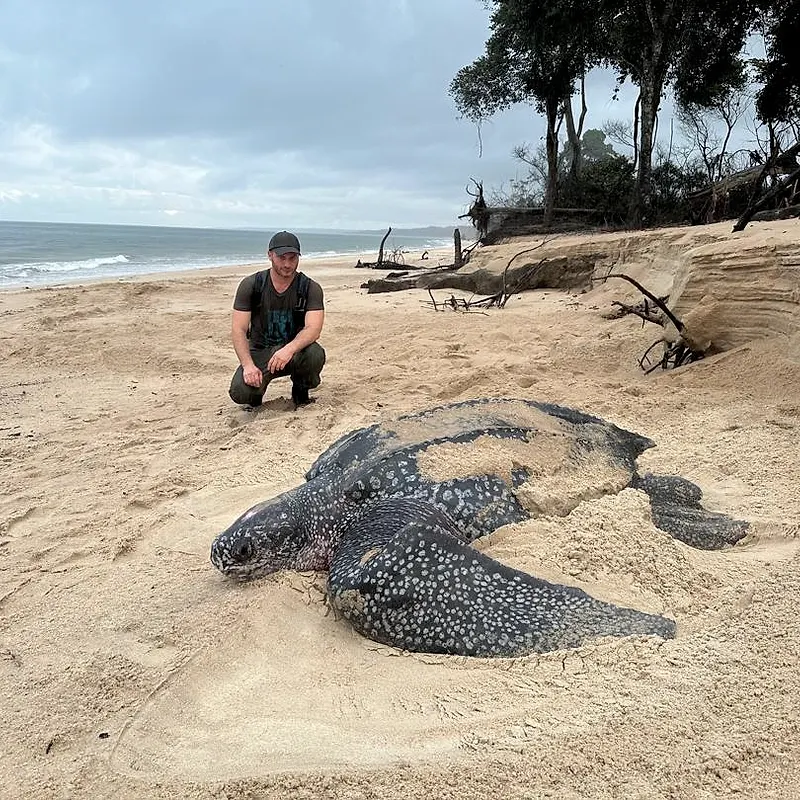
Critical Habitat Assessments
IFC PS6 critical habitat assessments, and equivalents under EBRD PR6 and World Bank ESS6, to support lender due diligence and project approval.
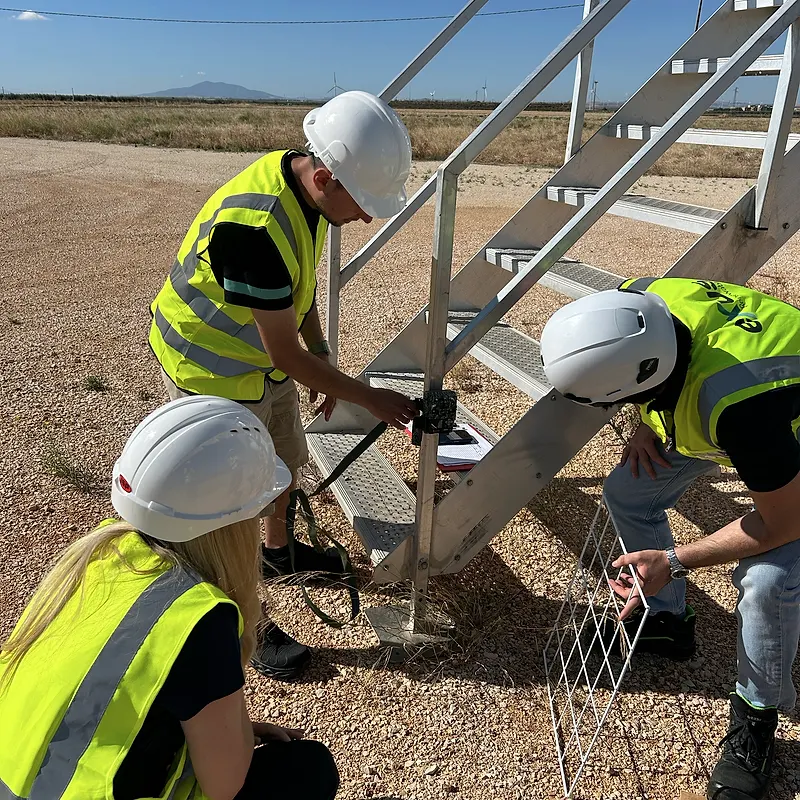
ESIA Biodiversity Baselines
Baseline surveys and specialist studies for ESIAs that satisfy lenders and national regulators, delivered to budget and on time.
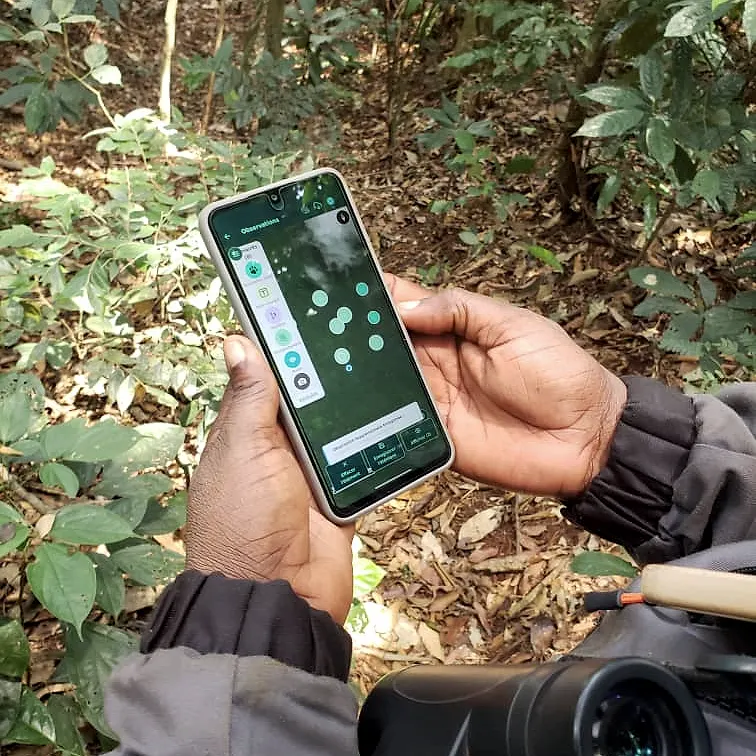
Endangered Species Monitoring
Population surveys, density estimates and long-term monitoring for priority and protected species.
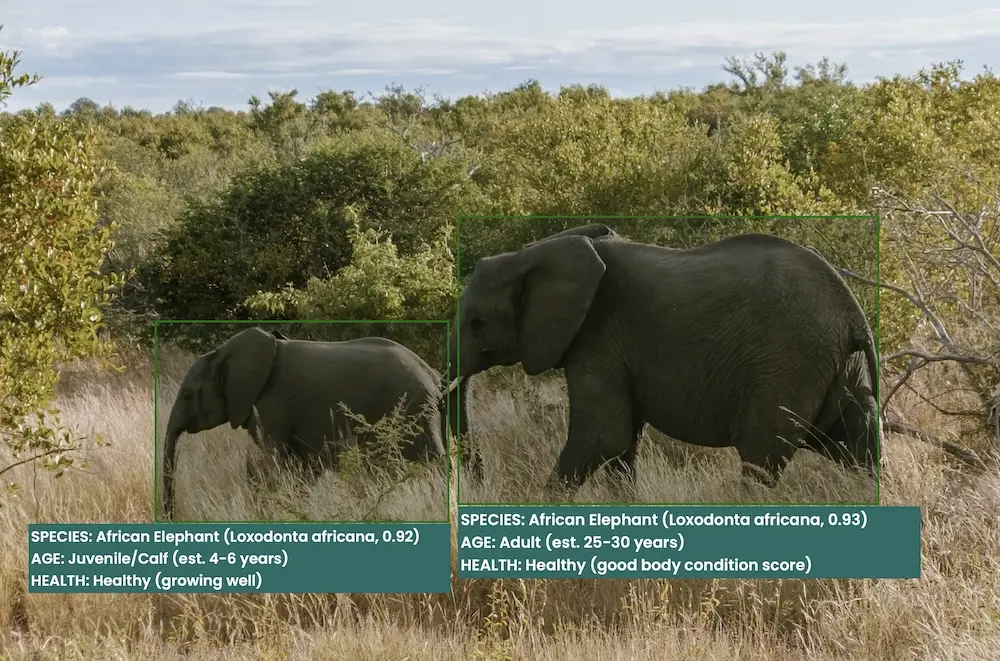
Custom Tools & Integrations
Custom AI models, data pipelines and integrations that extend NatureCube for your programme.
Ecological Surveys & Baselines
Defensible ecological surveys and biodiversity baselines for planning, compliance and impact assessment.
Ornithological Surveys
Bird surveys using point counts, transects and bioacoustics, including the surveys required for energy and infrastructure projects.
Bat Surveys
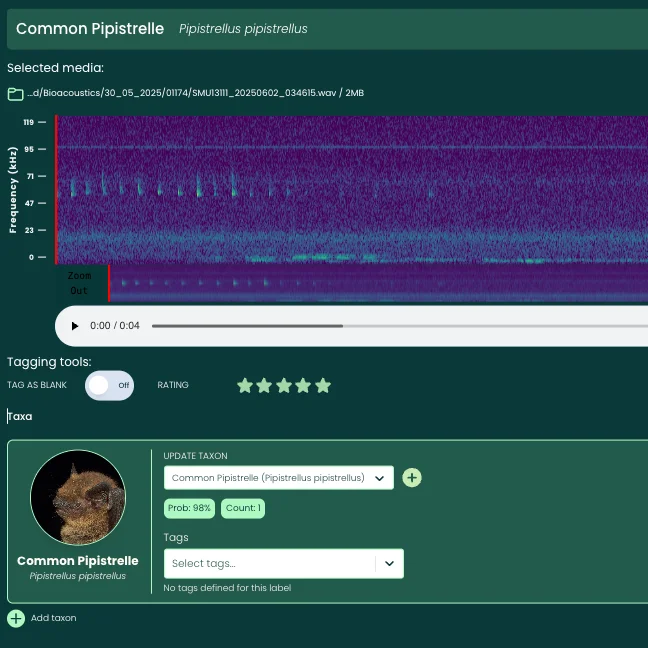
Acoustic and roost surveys to identify the species present and how they use a site, to national guidance and lender requirements.
Biodiversity Impact Assessments
Impact assessments applying the mitigation hierarchy, supporting approval and investment decisions.
Biodiversity Action & Management Plans
Plans and monitoring programmes that turn assessment findings into commitments you can track.
NatureCube Integration
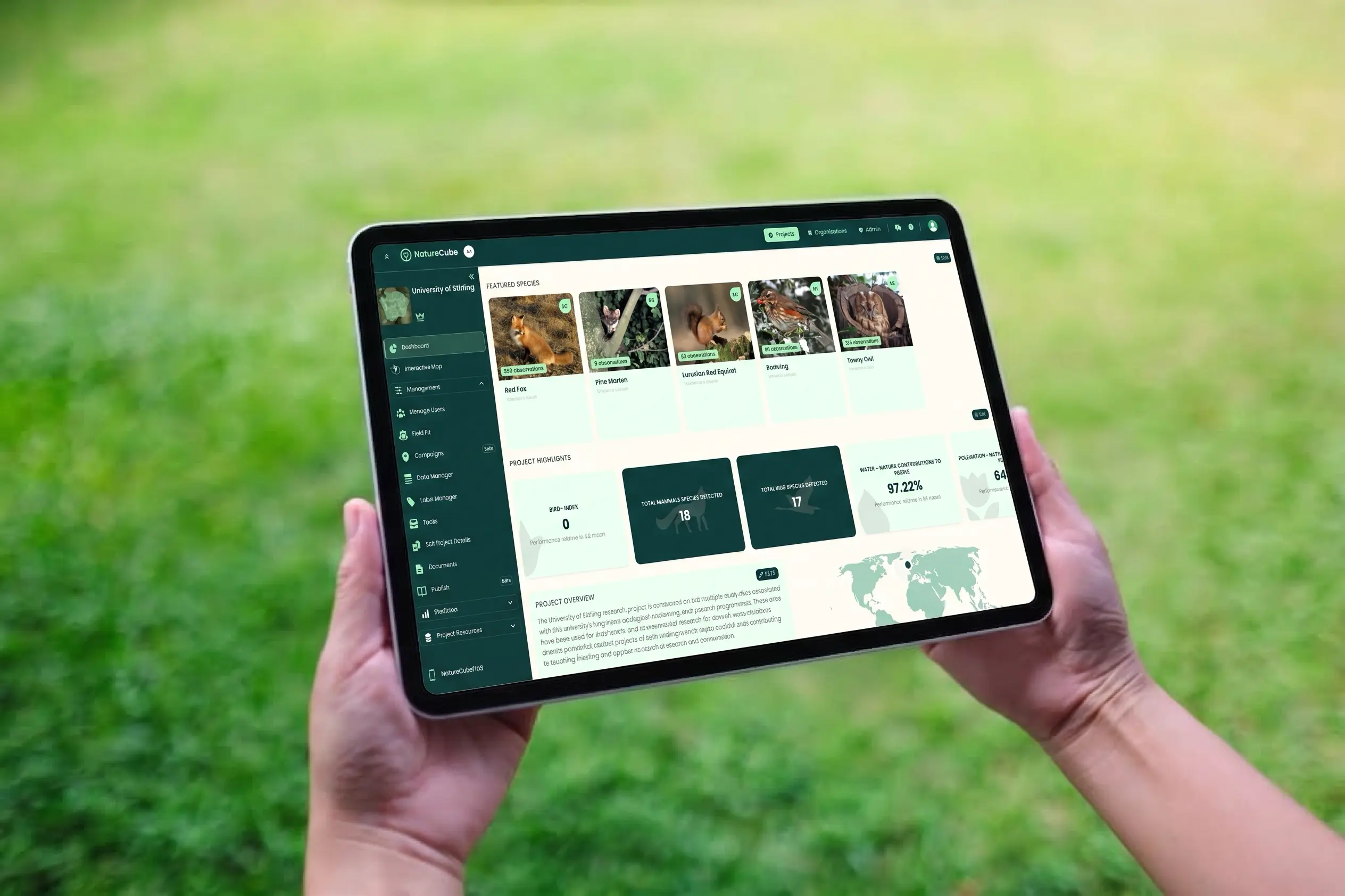
Extend or integrate with NatureCube, Okala's platform for managing, analysing and interpreting complex biodiversity datasets.
Other methods
Camera Trapping
Camera trap fieldwork and AI-assisted image analysis, verified by ecologists, to capture wildlife presence, behaviour and activity at scale.
Environmental DNA
Water and soil sampling for eDNA to detect many species, including rare and cryptic taxa, from a single non-invasive sample.
Remote Sensing & Maps
Satellite imagery, land-cover classification and clear mapping to show habitat, change and risk across sites and landscapes.
Desk-Based Assessment
Structured review of existing records, datasets, literature and policy to scope risk and focus fieldwork before anyone goes to site.