
Methods
Environmental DNA
Water and soil sampling for eDNA to detect many species, including rare and cryptic taxa, from a single non-invasive sample.
Overview
Every organism leaves traces of DNA in the water and soil around it. Environmental DNA (eDNA) sampling collects those traces and uses molecular methods to detect which species are present, including rare and cryptic taxa that conventional surveys often miss.
How we approach it
We design sampling around the habitats and species groups in question: rivers, ponds, wetlands, marine sites or terrestrial soils. Sampling and laboratory protocols are documented so results can be reproduced, and we interpret detections in ecological context, setting out what a positive or negative result can and cannot tell you.
What we deliver
- Sampling design for aquatic and terrestrial habitats
- Field sampling, or kits and training for your own teams
- Targeted species assays or broad community metabarcoding
- Laboratory analysis and bioinformatics with documented protocols
- Interpretation of detections alongside field survey evidence
- Reporting suitable for assessments, monitoring and compliance
What you receive
You receive species detections from each sample, an interpretation of what they mean for the site, and the protocol record behind them, so the evidence can be relied on in a technical annex.
When you need it
Use eDNA when you need rapid, non-invasive coverage of many species, when target species are elusive, or when aquatic biodiversity matters to a biodiversity impact assessment or baseline survey. It complements camera trapping and bioacoustics rather than replacing them.
Services that use this method
Environmental DNA is one of the methods we draw on across these services.
Critical Habitat Assessments
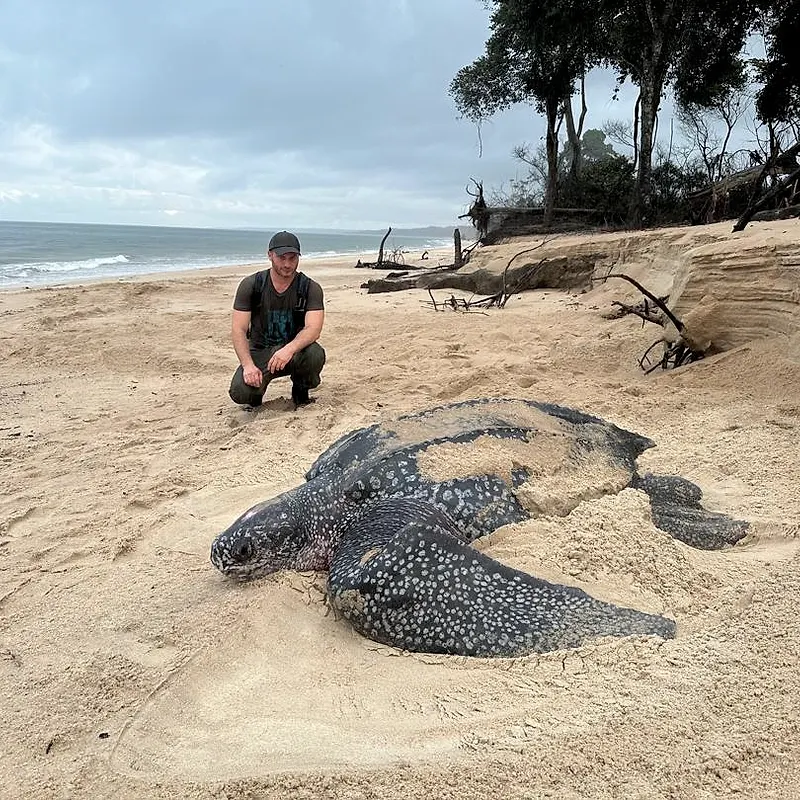
IFC PS6 critical habitat assessments, and equivalents under EBRD PR6 and World Bank ESS6, to support lender due diligence and project approval.
ESIA Biodiversity Baselines
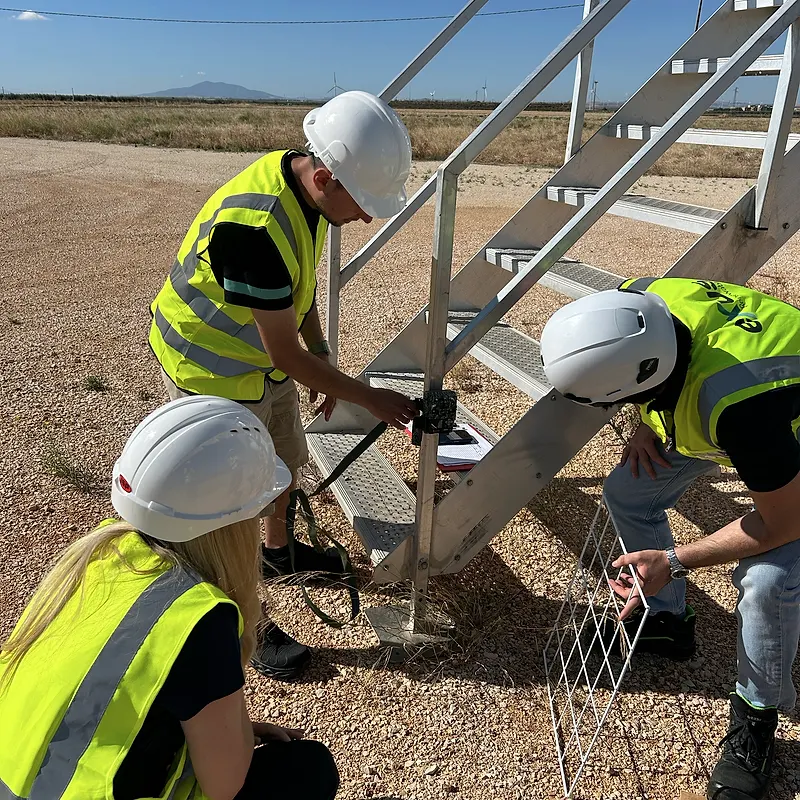
Baseline surveys and specialist studies for ESIAs that satisfy lenders and national regulators, delivered to budget and on time.
Endangered Species Monitoring
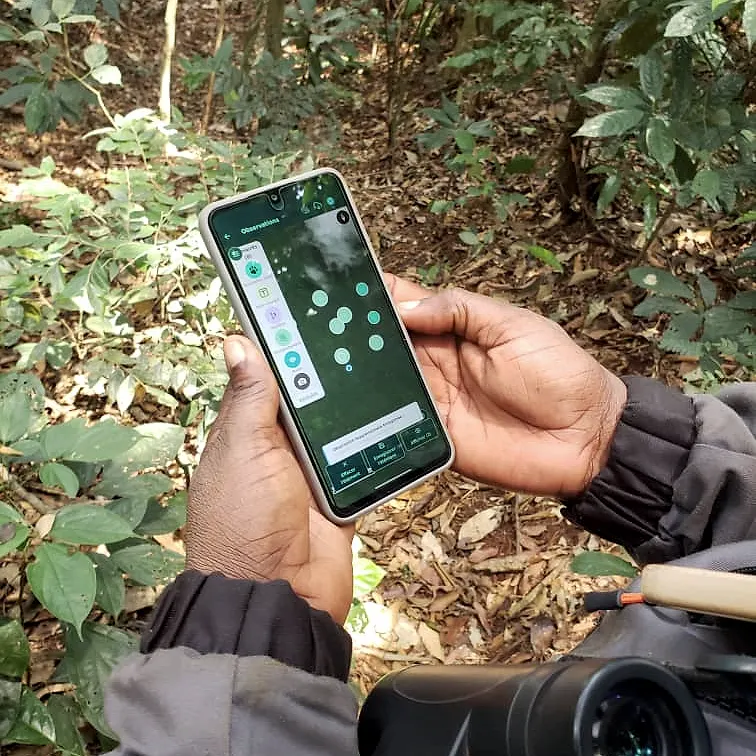
Population surveys, density estimates and long-term monitoring for priority and protected species.
Mammal Surveys
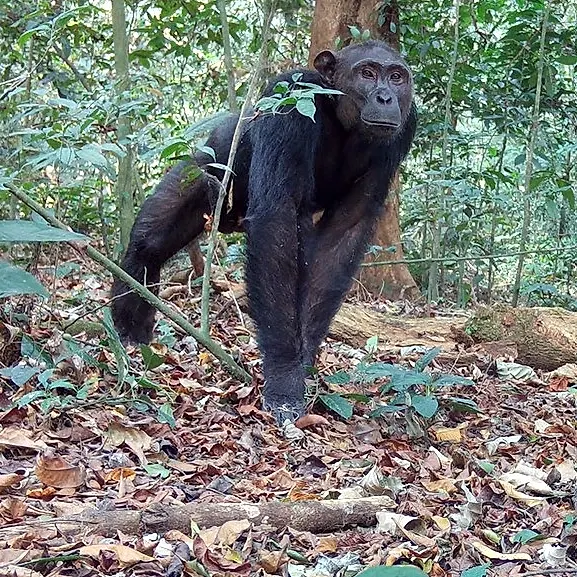
Surveys of large and small mammals using camera traps, transects, sign surveys and eDNA, designed to the standard each project must meet.
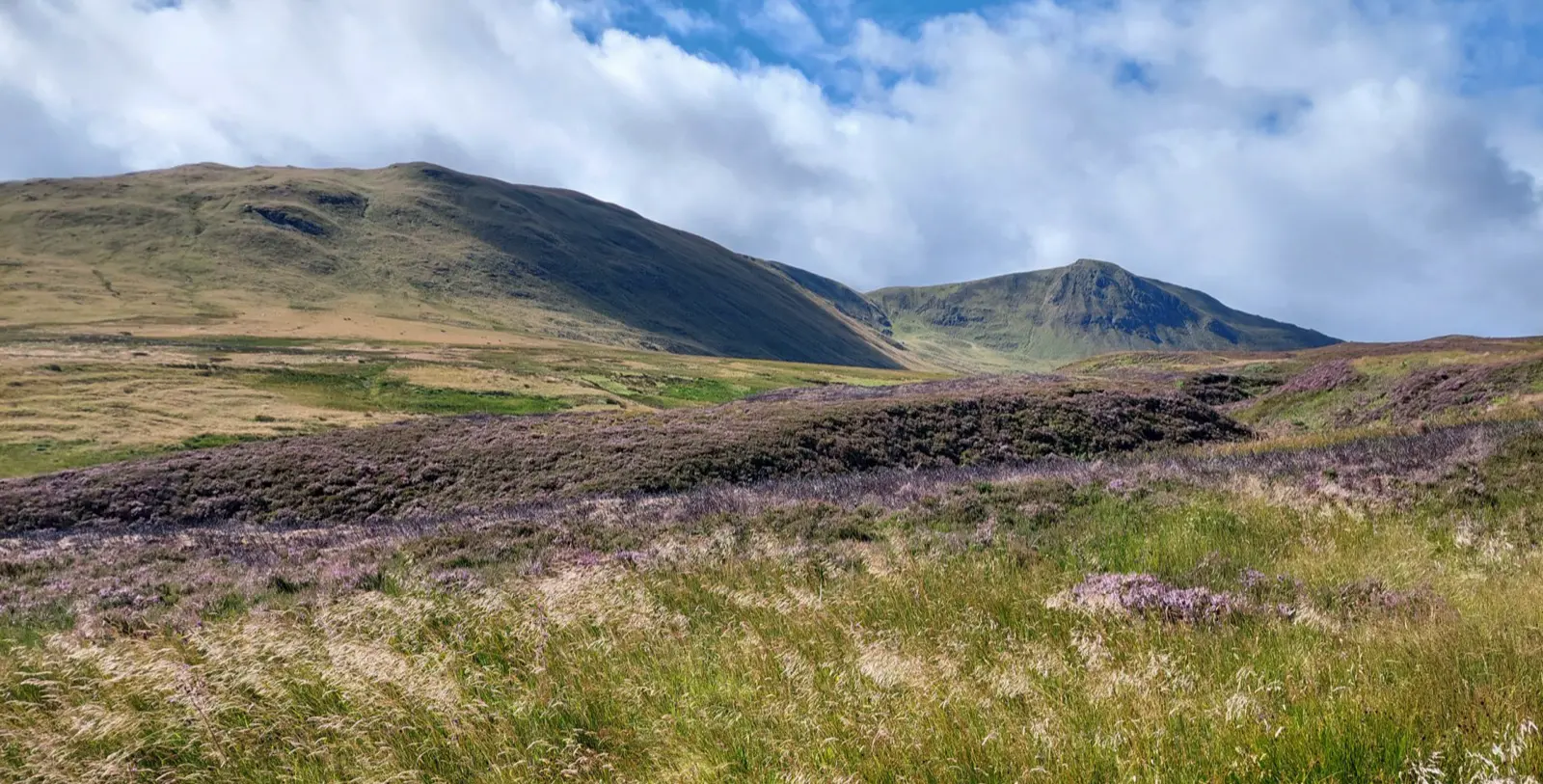
Ecological Surveys & Baselines
Defensible ecological surveys and biodiversity baselines for planning, compliance and impact assessment.
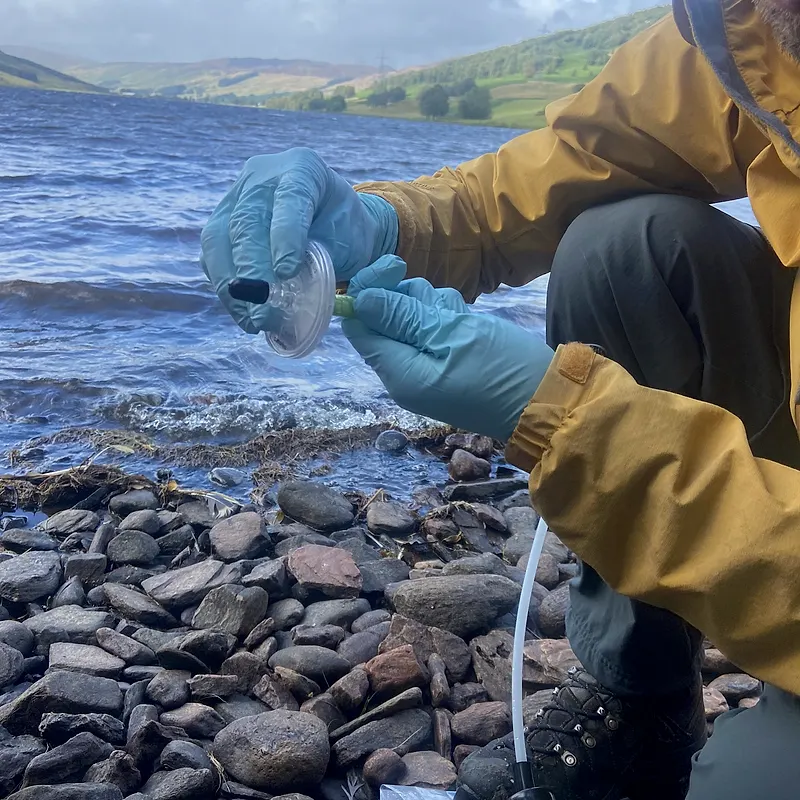
Invasive Species Detection & Monitoring
Early detection and long-term monitoring of invasive species using field surveys, eDNA and remote sensing, to support management and reporting.
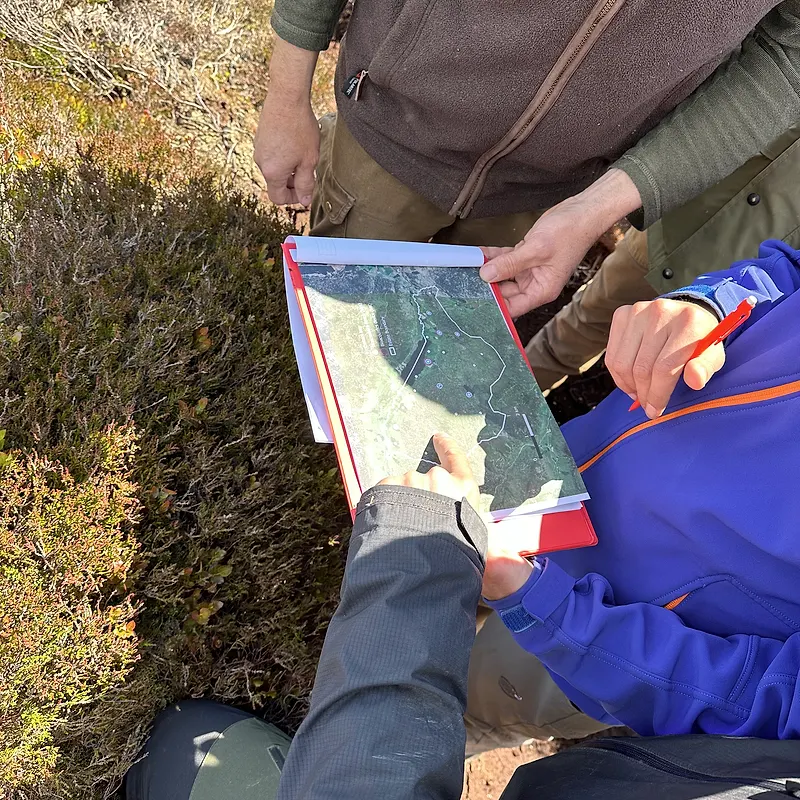
Biodiversity Impact Assessments
Impact assessments applying the mitigation hierarchy, supporting approval and investment decisions.
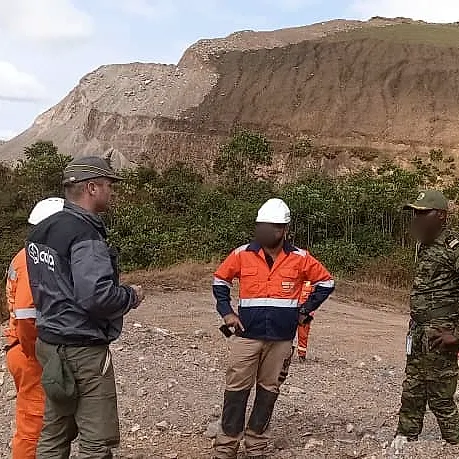
Biodiversity Action & Management Plans
Plans and monitoring programmes that turn assessment findings into commitments you can track.
Other methods
Camera Trapping
Camera trap fieldwork and AI-assisted image analysis, verified by ecologists, to capture wildlife presence, behaviour and activity at scale.
Bioacoustics
Autonomous acoustic recorders and call classification to detect vocalising species and track ecosystem condition day and night.
Remote Sensing & Maps
Satellite imagery, land-cover classification and clear mapping to show habitat, change and risk across sites and landscapes.
Desk-Based Assessment
Structured review of existing records, datasets, literature and policy to scope risk and focus fieldwork before anyone goes to site.