
Biodiversity & Ecology
Biodiversity Impact Assessments
Impact assessments applying the mitigation hierarchy, supporting approval and investment decisions.
Overview
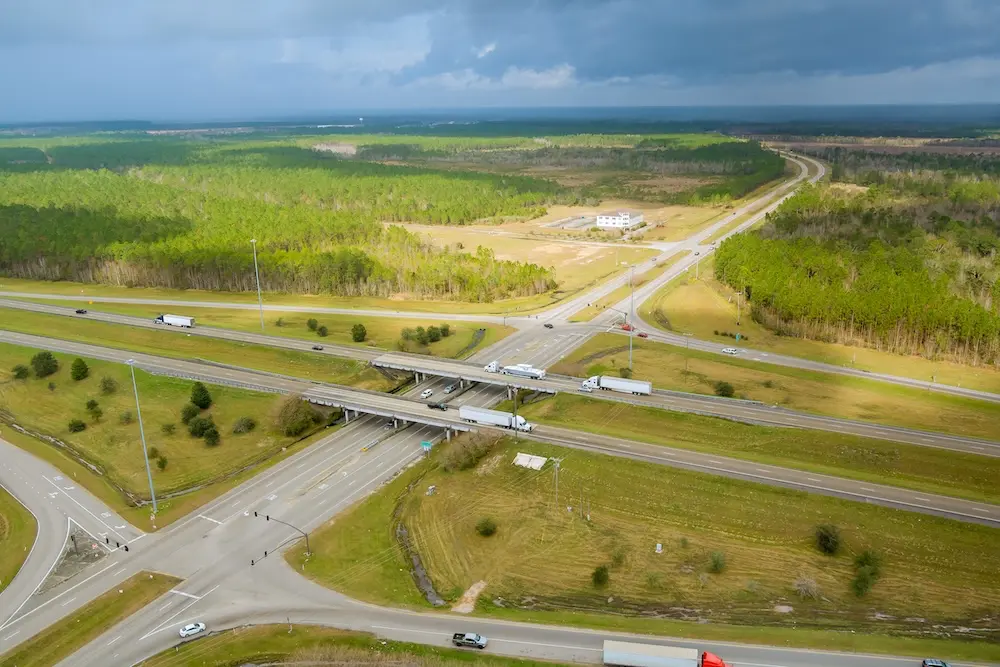
A biodiversity impact assessment sets out how a project is likely to affect species, habitats and ecological processes, and what can be done about it. It is the document regulators and internal decision-makers use to see whether effects have been identified before approval.
How we approach it
We start from a baseline that is good enough for the decision, then predict effects across construction, operation and, where it matters, closure. Mitigation is tied to those effects. If a receptor cannot be assessed properly with the data available, that gap is stated rather than smoothed over.
What we deliver
- Baseline characterisation of habitats, species and ecological processes
- Impact prediction for the project stages that actually change the site
- Mitigation and monitoring recommendations linked to specific effects
- Residual-effect summary for regulators, lenders and project teams
- Maps and tables that can be lifted into an ESIA or permit application
- A record of assumptions so the assessment can be updated when design changes
What you receive
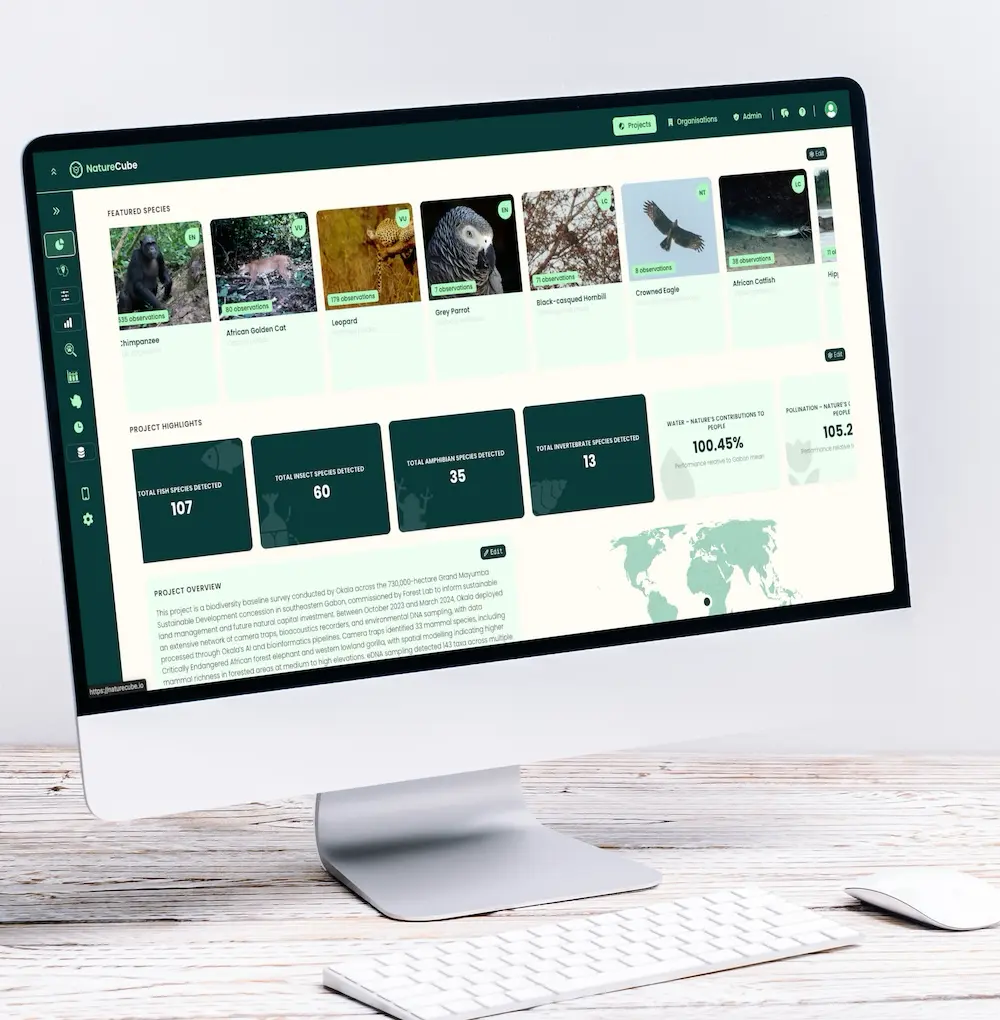
The output is a technical assessment your permitting and engineering teams can use, with a short narrative for people who will not read the full methods.
When you need it
You need this when a development, expansion or change of land use has to show how biodiversity effects were identified and addressed before consent or investment.
Related services
ESIA Biodiversity Baselines
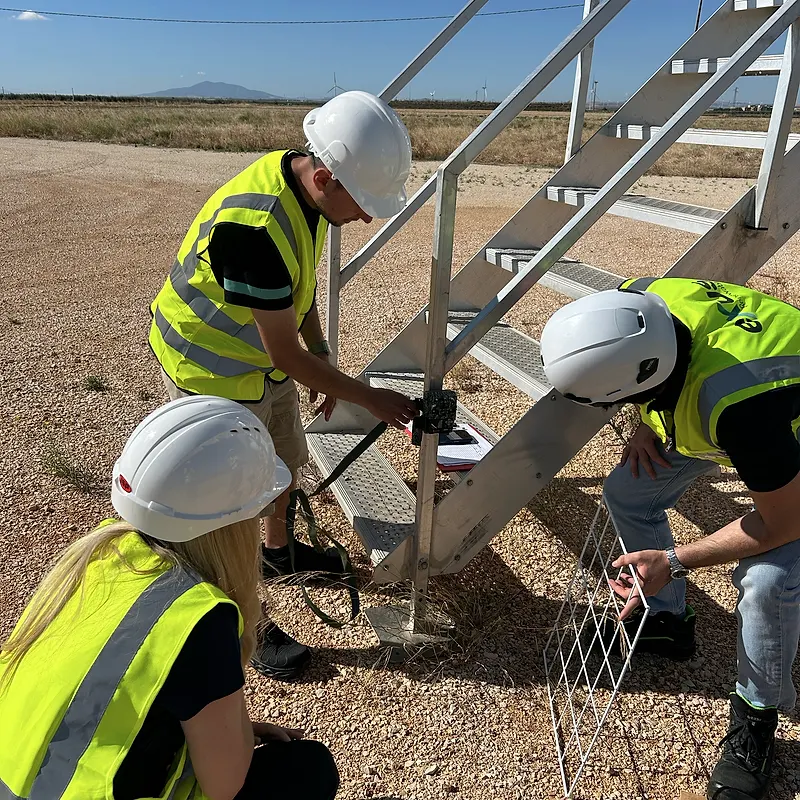
Baseline surveys and specialist studies for ESIAs that satisfy lenders and national regulators, delivered to budget and on time.
Critical Habitat Assessments
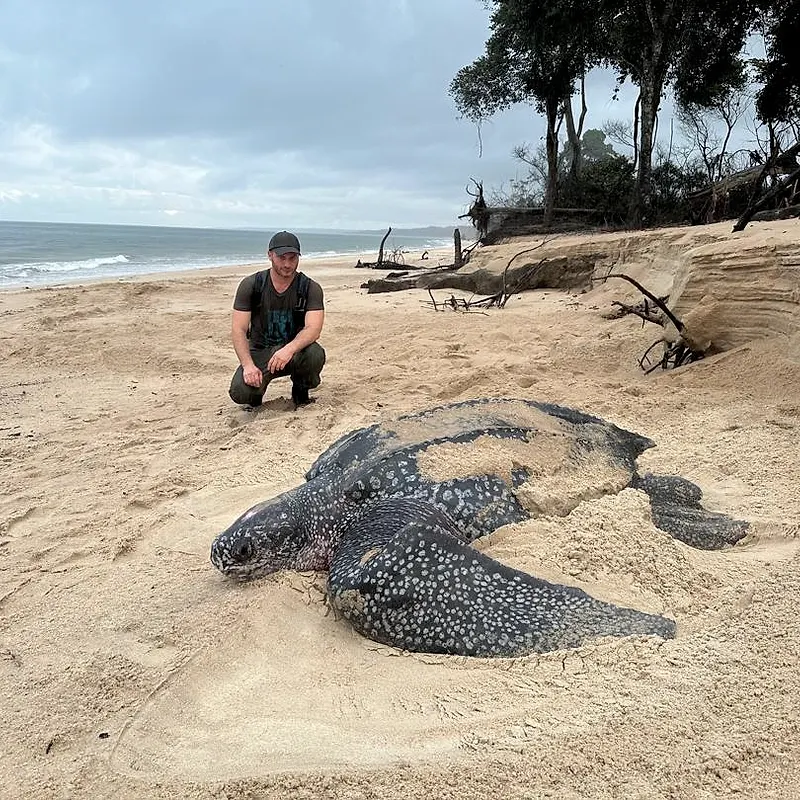
IFC PS6 critical habitat assessments, and equivalents under EBRD PR6 and World Bank ESS6, to support lender due diligence and project approval.
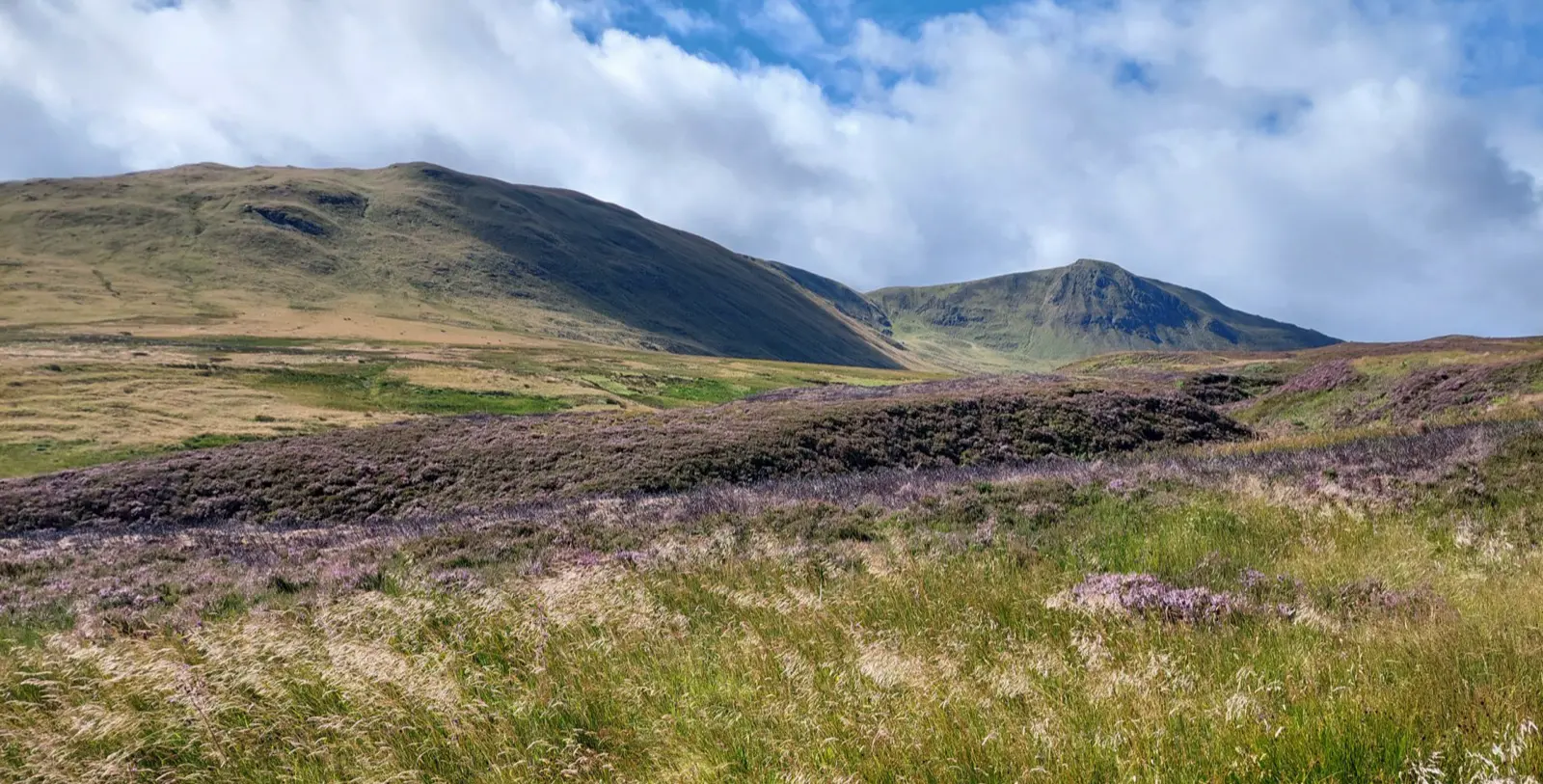
Ecological Surveys & Baselines
Defensible ecological surveys and biodiversity baselines for planning, compliance and impact assessment.

Habitat Mapping
Clear ecological and land-use maps that communicate habitat, risk and change for approvals, planning and stakeholder reporting.
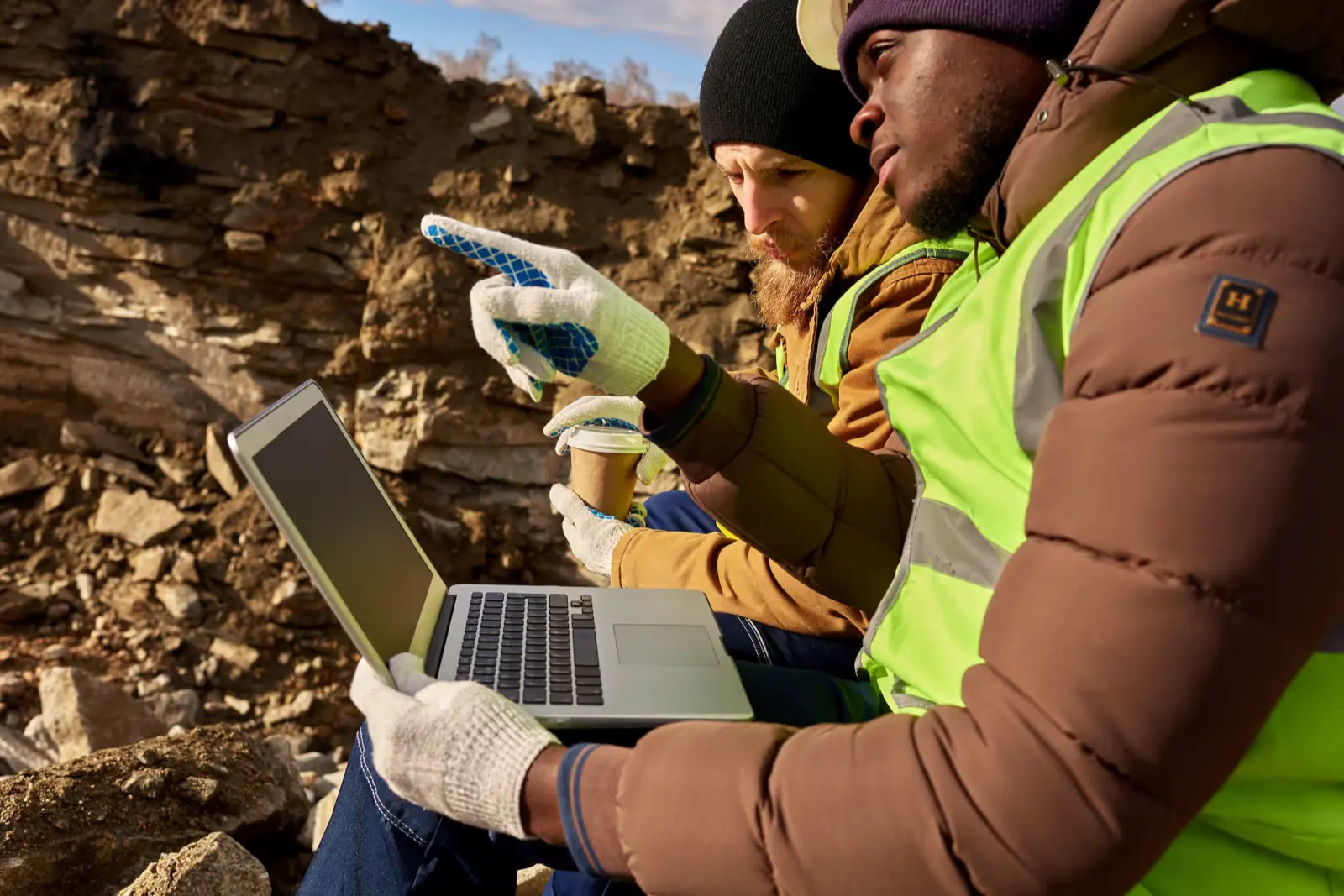
E&S Due Diligence
Environmental and social reviews against the IFC Performance Standards to identify risks and decision points.
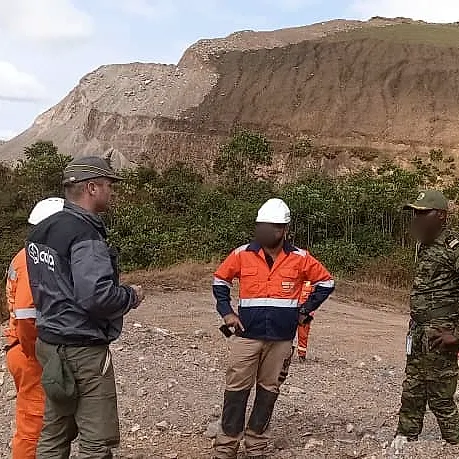
Biodiversity Action & Management Plans
Plans and monitoring programmes that turn assessment findings into commitments you can track.